How to Choose a Roofing Company: 10 Checks Before You Sign
 By Savannah Lee, founder of RoofClarity
Updated October 24, 2026 · 3 min read
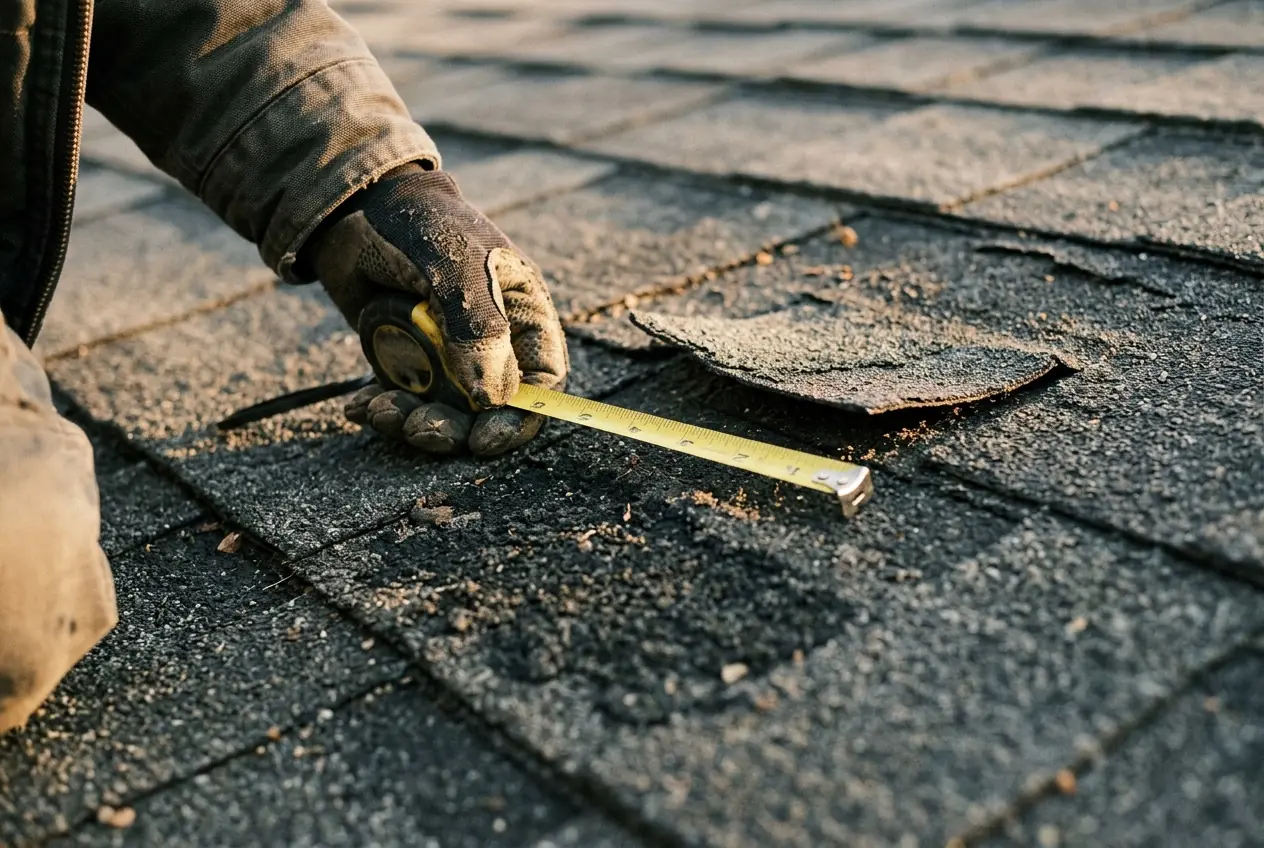
A new roof is one of the largest checks most homeowners ever write. The company you hire matters as much as the shingles. These ten checks take an evening, and they filter out most of the trouble.
1. Check the license, where your state requires one
Licensing rules differ by state. Florida requires a state-certified or registered roofing contractor. California requires a license from the Contractors State License Board for most jobs. Texas has no statewide roofing license, so cities and your own checks carry more weight there.
Look the license number up yourself on the state board's website. Confirm the name on the license matches the company on your contract.
2. Get proof of insurance from the insurer
Ask for certificates of general liability and workers' compensation insurance. Have the insurance company send them to you directly, so you know they're current. If an uninsured worker gets hurt on your roof, the bill may land on you.
3. Look for a real local address and history
A roofer with a local office, a phone that gets answered and years of local jobs has a reputation to protect. Search the company name with your city. Check how long the business has been registered with your secretary of state.
4. Insist on a written, itemized estimate
A one-line price on a business card tells you nothing. A good estimate lists the roof size in squares, tear-off, underlayment, flashing, ventilation, disposal, the permit and a price per sheet for any rotted decking. Our guide to reading a roofing estimate walks through each line.
Before you collect quotes, check what your roof should cost. Knowing the range keeps a high bid from looking normal.
5. Understand both warranties
There are two. The manufacturer covers defects in the materials. The roofer's workmanship warranty covers installation mistakes, which cause most early leaks. Get the workmanship terms in writing, including how long they last and whether they transfer to a buyer.
6. Make sure the roofer pulls the permit
Most towns require a permit for a roof replacement. The contractor should pull it in their own name. A roofer who asks you to pull it, or says you don't need one, is shifting the risk to you.
7. Keep the deposit reasonable
Never pay the full price upfront. Some states cap deposits. In California, the down payment on a home improvement contract is limited to $1,000 or 10% of the contract price, whichever is less. Pay by check or card so you have a record. Avoid anyone who wants cash only.
8. Read reviews for patterns, not stars
One angry review proves little. Ten reviews that mention missed start dates or unanswered calls tell a story. Look at how the owner responds to complaints. Calm, specific replies are a good sign.
9. Ask who will be on your roof
Many roofers use subcontracted crews. That's normal, as long as the company supervises the work and stands behind it. Ask who manages the job day to day and who you call if something goes wrong.
10. Treat pressure as a red flag
A fair price is still fair tomorrow. Be wary of anyone who says the deal expires tonight, offers to cover your insurance deductible or knocks on your door right after a storm. Our guide to storm chaser red flags covers the common tricks.
Questions to ask on the first call
- What's your license number, and in which state?
- Will your insurer send me your certificates directly?
- Will you pull the permit?
- How do you price rotted decking?
- What does your workmanship warranty cover, and for how long?
- What deposit do you need, and when are the other payments due?
Frequently asked questions
How many roofing quotes should I get?
Two or three is plenty if you know what the roof should cost first. More quotes often bring more confusion and more sales calls.
Is the cheapest roofer a bad choice?
Not always. A low bid that skips the permit, the underlayment or the warranty is a bad choice. Compare the line items, not only the total.
Should I hire a roofer who knocks on my door?
Check them the same way as anyone else. Door knockers after storms include some honest local firms and some out-of-town operators who leave when the work is done.
Founder of RoofClarity and Roofer Marketing Solutions. About 15 years in the roofing industry, working with roofing companies across the country. About Savannah